 01
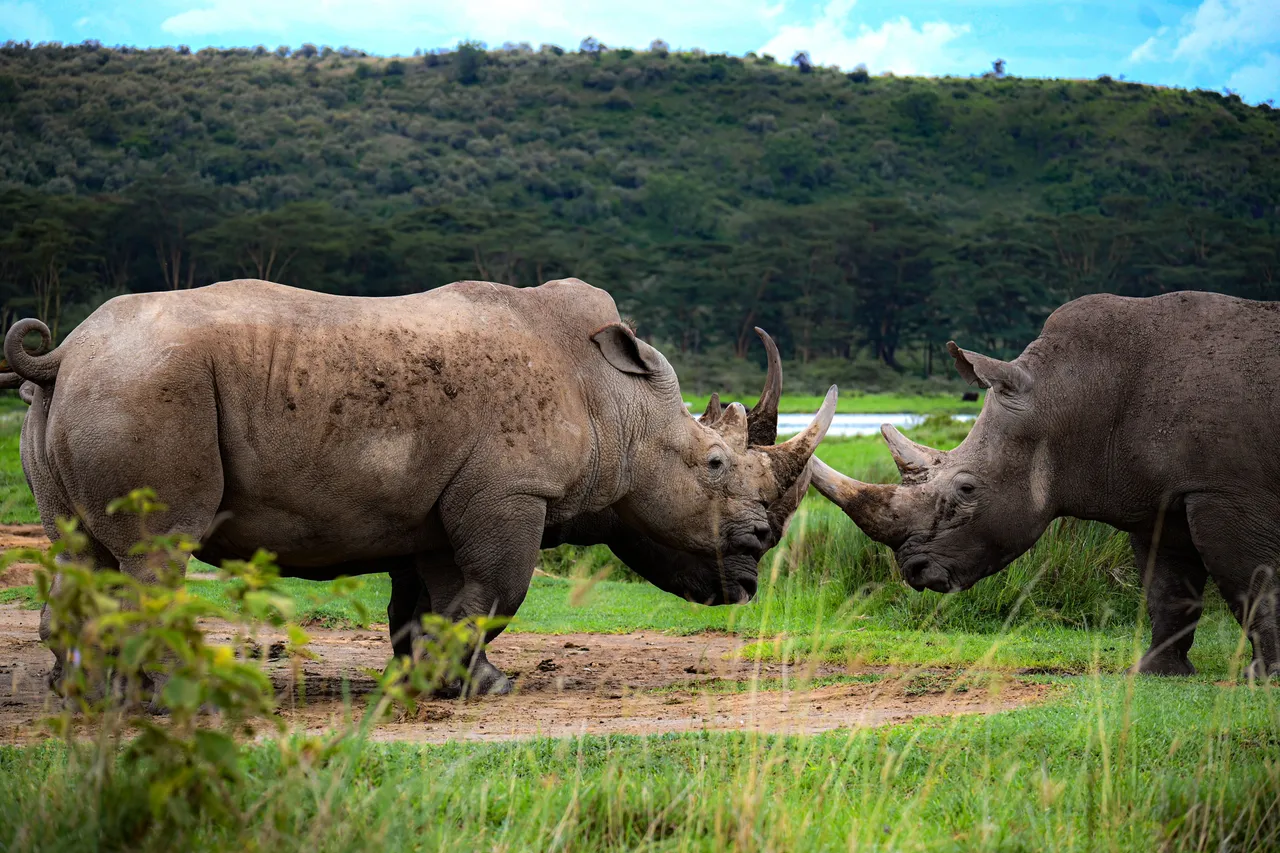
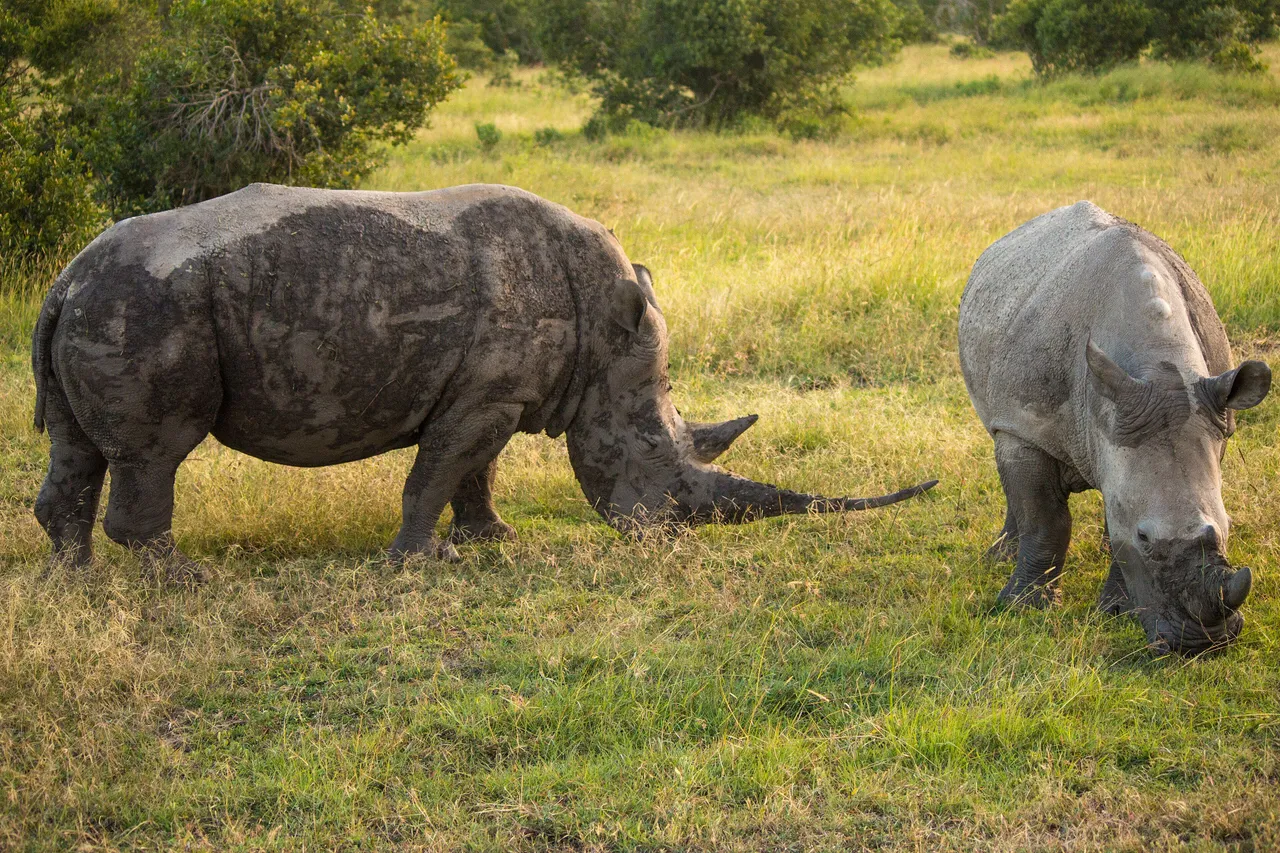
01Eastern black rhino
Diceros bicornis michaeli
Resident and reliably seen. The park has been one of Kenya’s more successful rhino sanctuaries and has supplied founder animals to others.

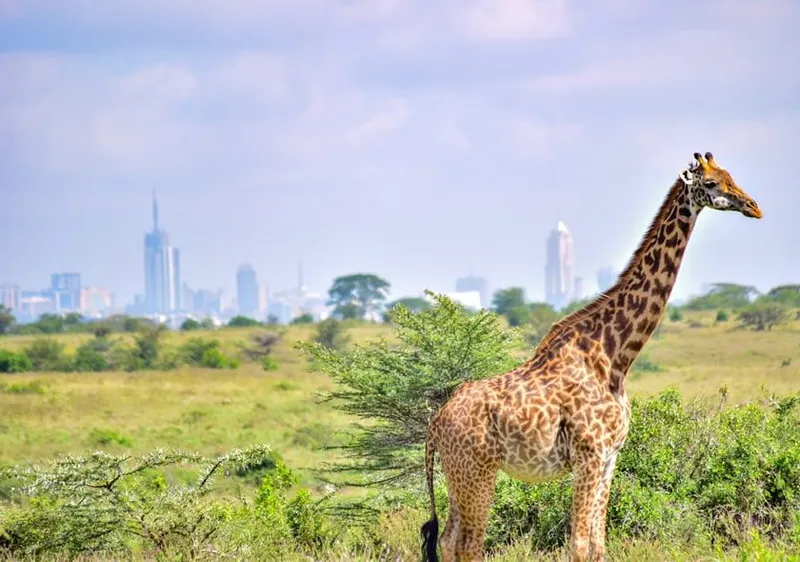
The only national park inside a capital city. Nairobi National Park is 117 square kilometres of open plain holding black rhino, lion and giraffe within sight of the skyline.
Nairobi National Park is the only national park inside a capital city. It runs from the southern edge of the city out onto the Athi-Kapiti plains, 117 square kilometres, fenced on three sides and open on the fourth.
Game moves in and out along a migration corridor that has narrowed considerably as the city has grown. That corridor is the park’s central conservation problem, and it is not solved.
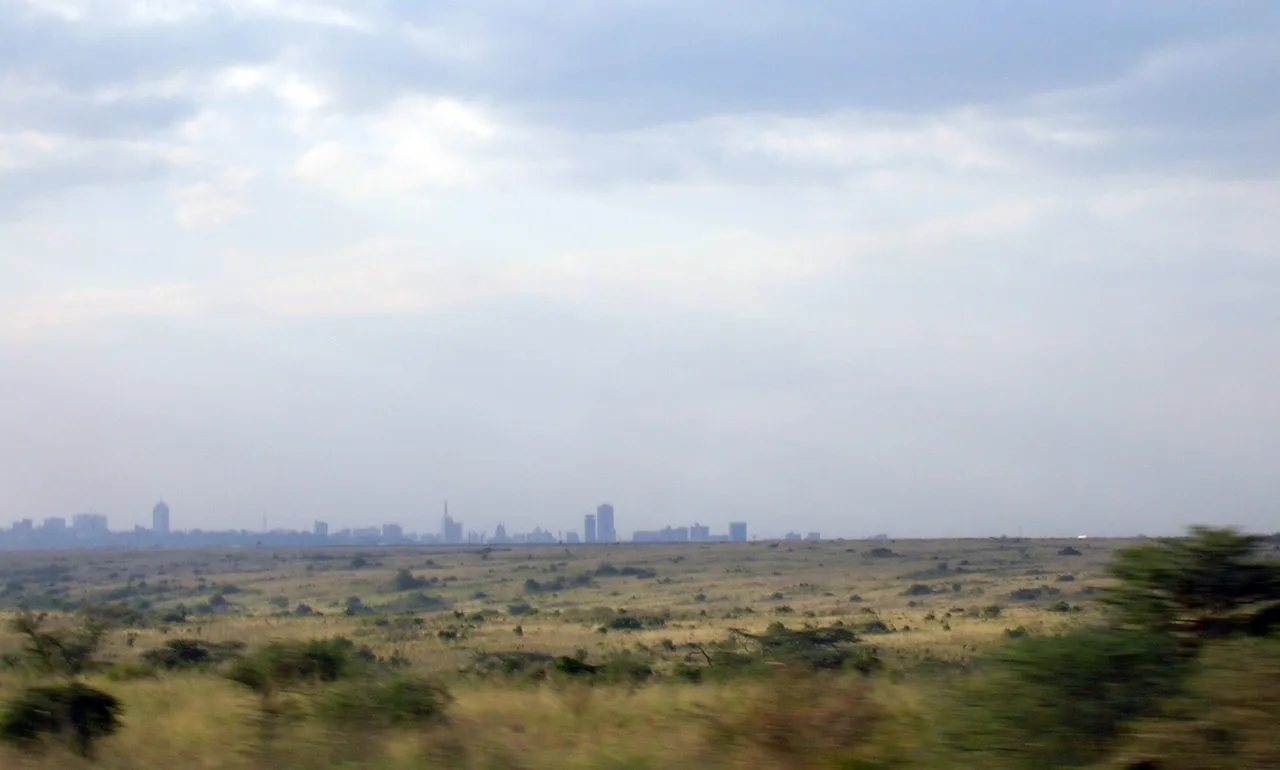
Black rhino are resident and reliably seen. This has been one of Kenya’s more successful rhino sanctuaries for decades.
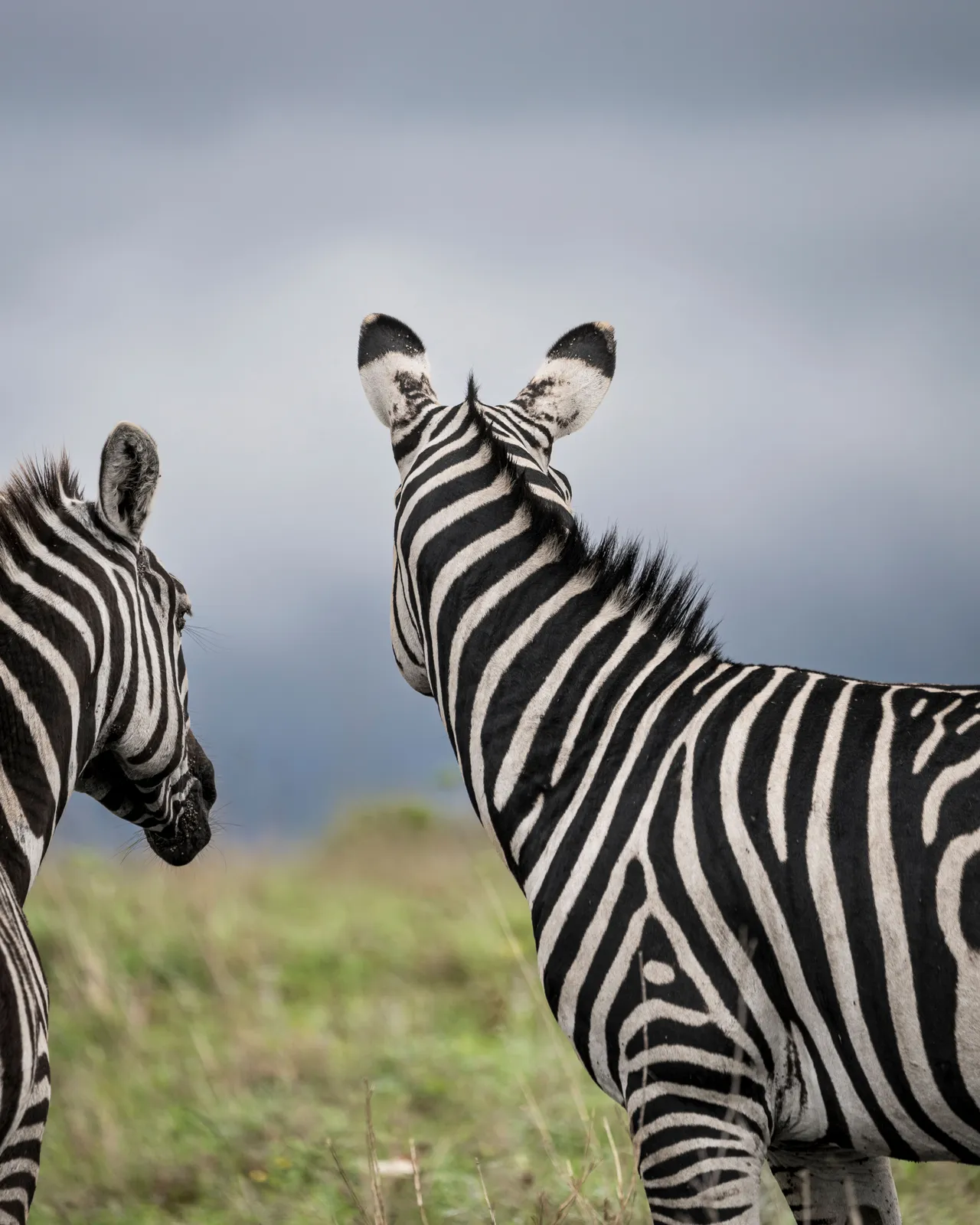
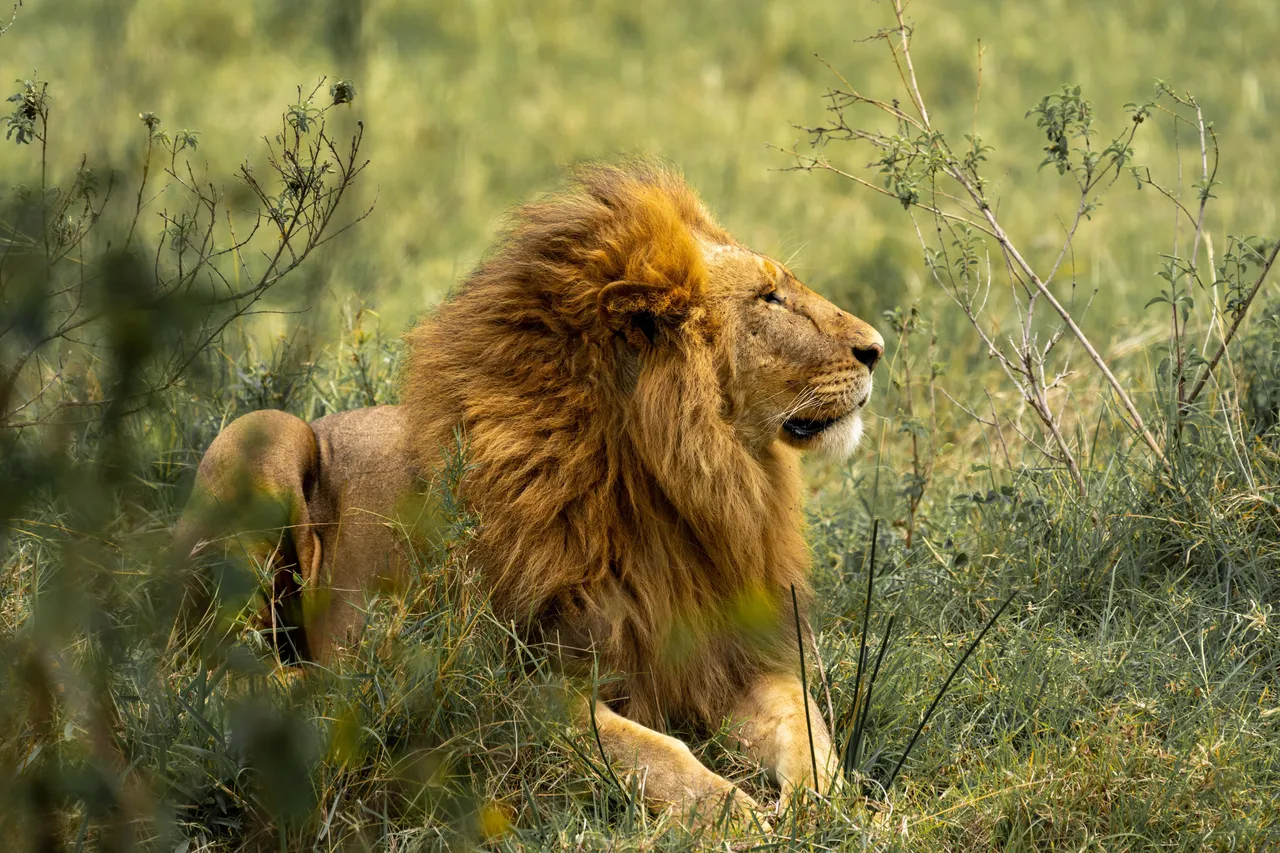
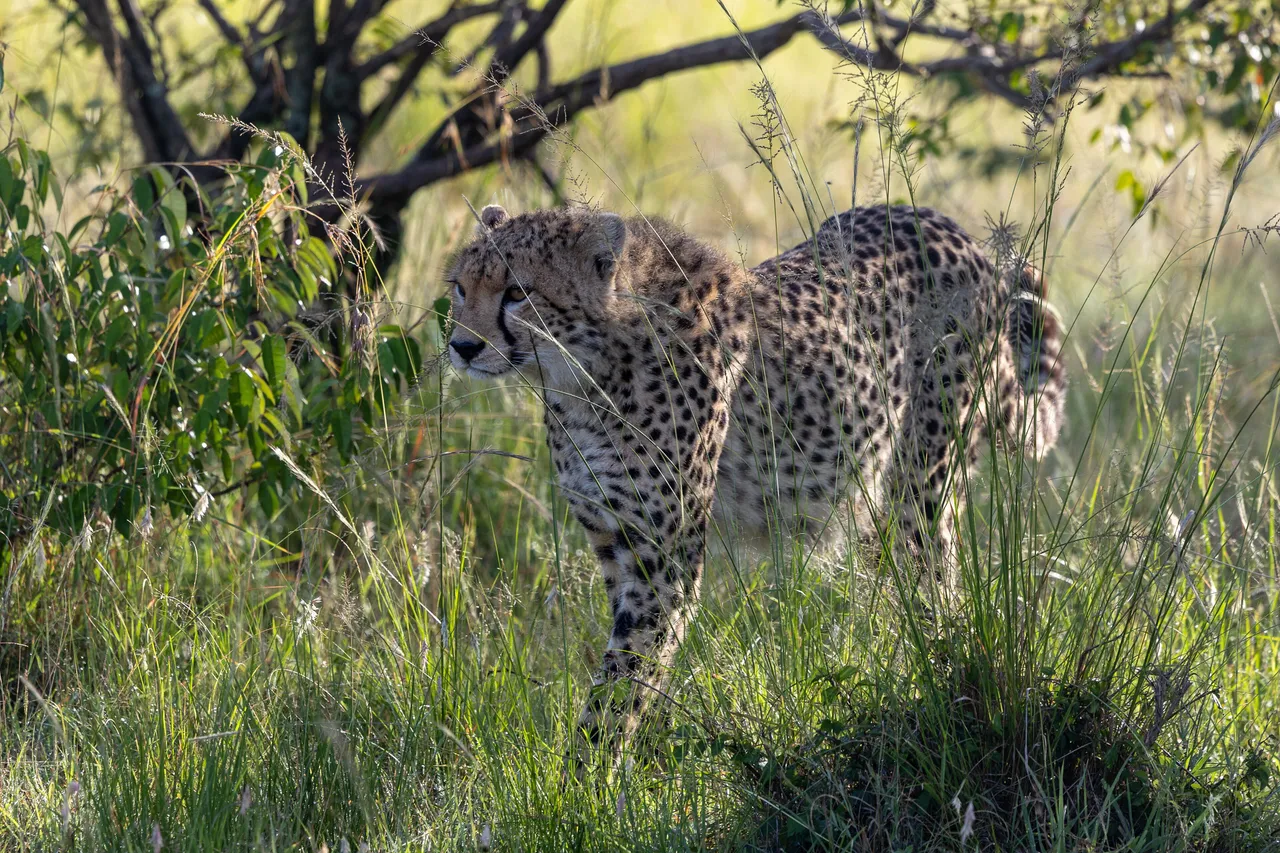
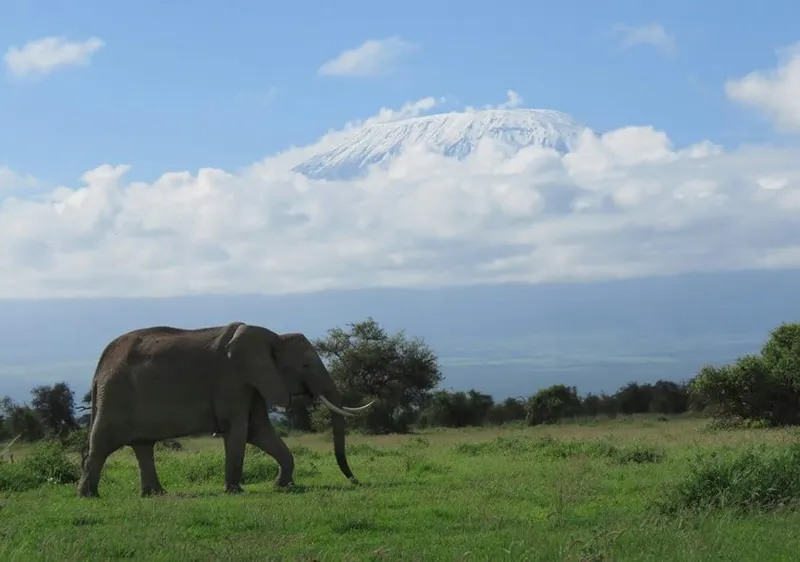
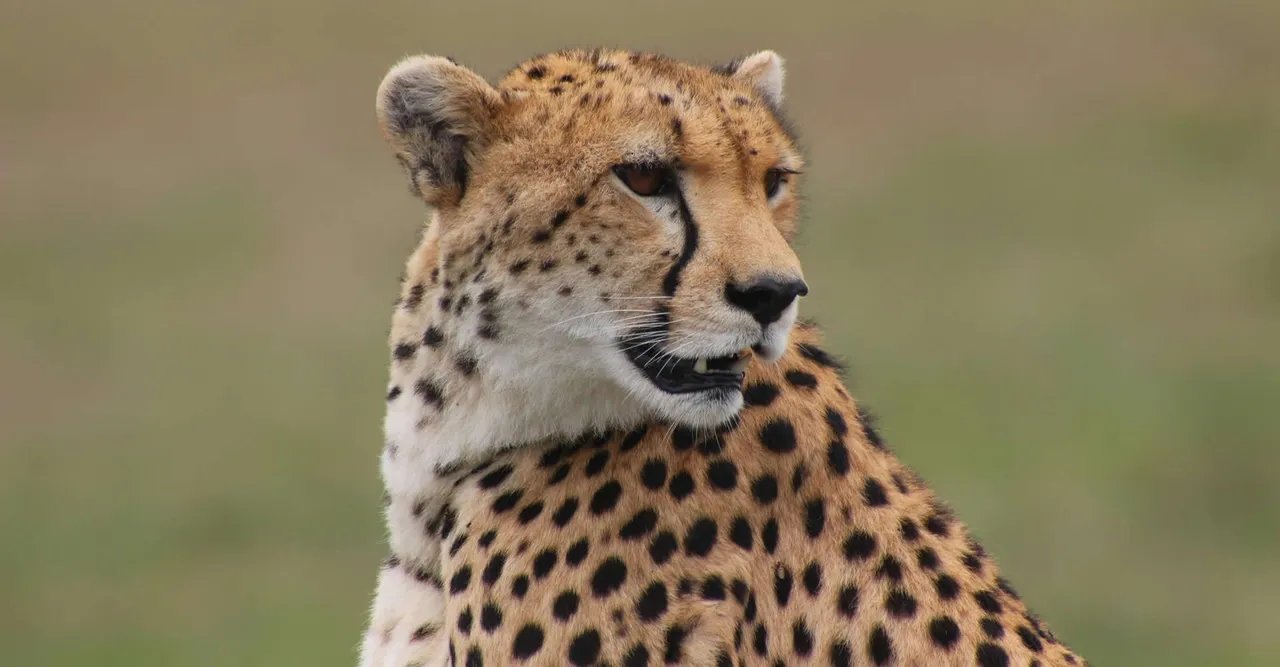
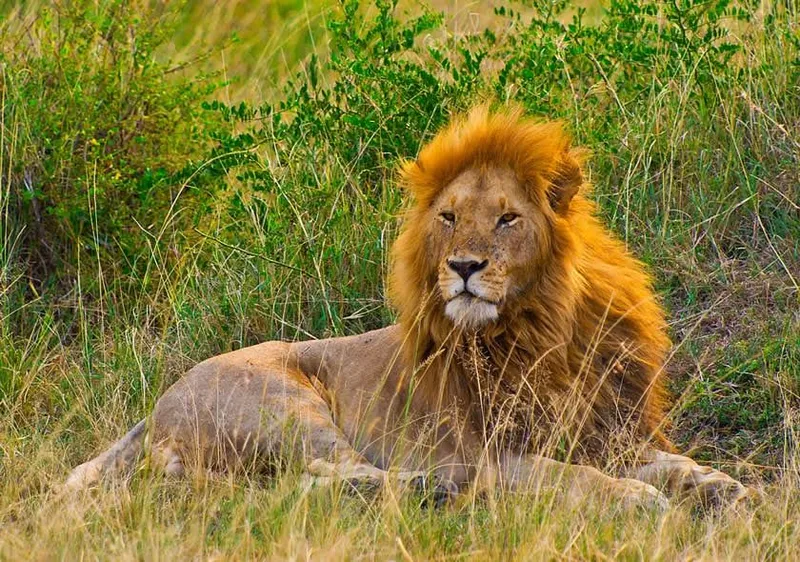
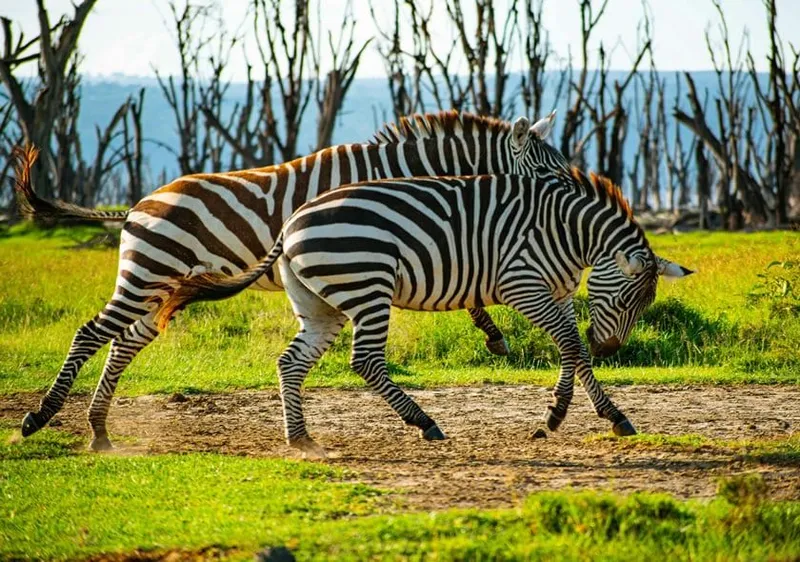
Lion, buffalo, giraffe, eland, zebra, warthog and cheetah are all here. So are more than 400 recorded bird species. There are no elephant. The park is too small for them.
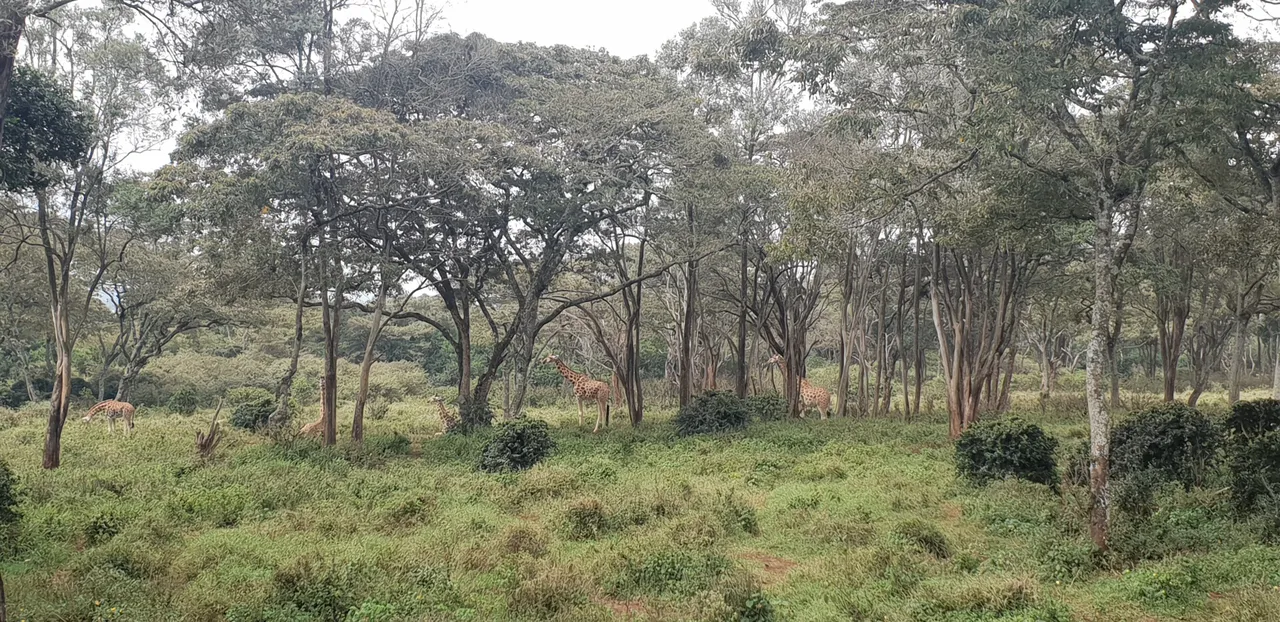
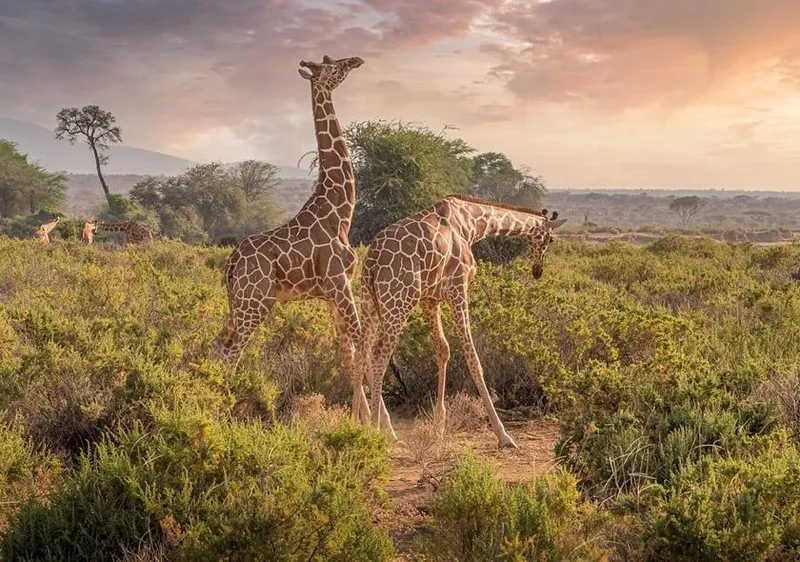
A rhino, or a giraffe, with office towers on the horizon. It is either absurd or hopeful depending on the day you are having, and it is the single most recognisable image in Kenyan conservation.
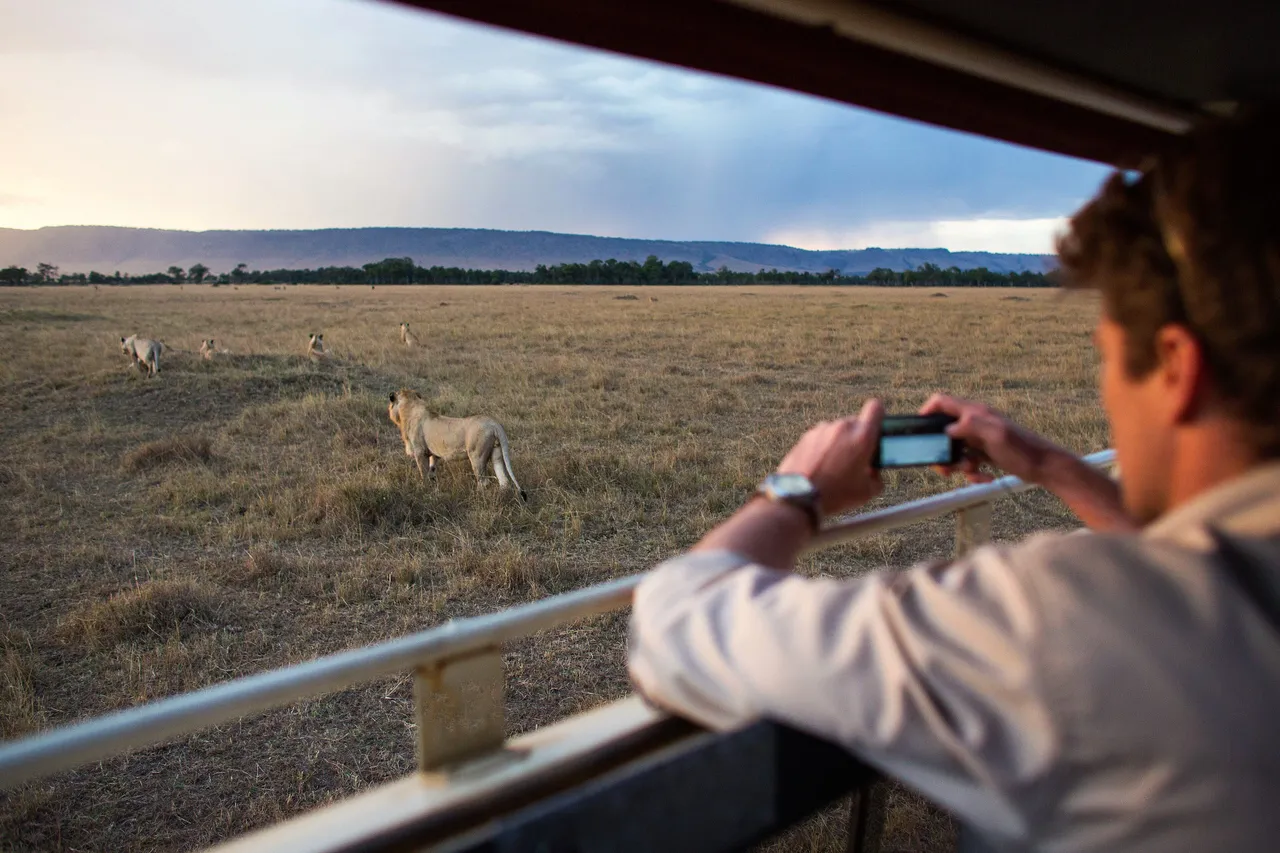
Anyone with a long layover. Anyone with a spare morning at the start of a longer trip. And anyone still deciding whether a safari is their kind of holiday.
A full-day trip includes park fees and transfers, and gets you back to the city or the airport comfortably.
The park headquarters, the Animal Orphanage, and the Nairobi Safari Walk. The David Sheldrick elephant nursery and the Giraffe Centre are both a short drive away and are usually combined into the same day.
Amboseli is the natural step up, four hours away, and the elephants are a different order of experience. Our month-by-month guide covers timing for the wider circuit.
Half a day works. A full day works better, and lets you add the Giraffe Centre or the elephant nursery without rushing either.
Go early. The gates open at 6am, the game is active before the heat, and the Nairobi traffic you are avoiding builds from about 7. Weekends are busier inside the park than weekdays.
There is no accommodation inside the park, so this is always a day trip from the city rather than an overnight stay.
The park’s headquarters sit at the main gate: Kenya Wildlife Service.
Gazetted in 1946. What it was created to protect, and what threatens it now.
Nairobi National Park was gazetted in 1946, the first national park in Kenya, and still the only one inside a capital city. It covers 117 square kilometres on the southern edge of the city.
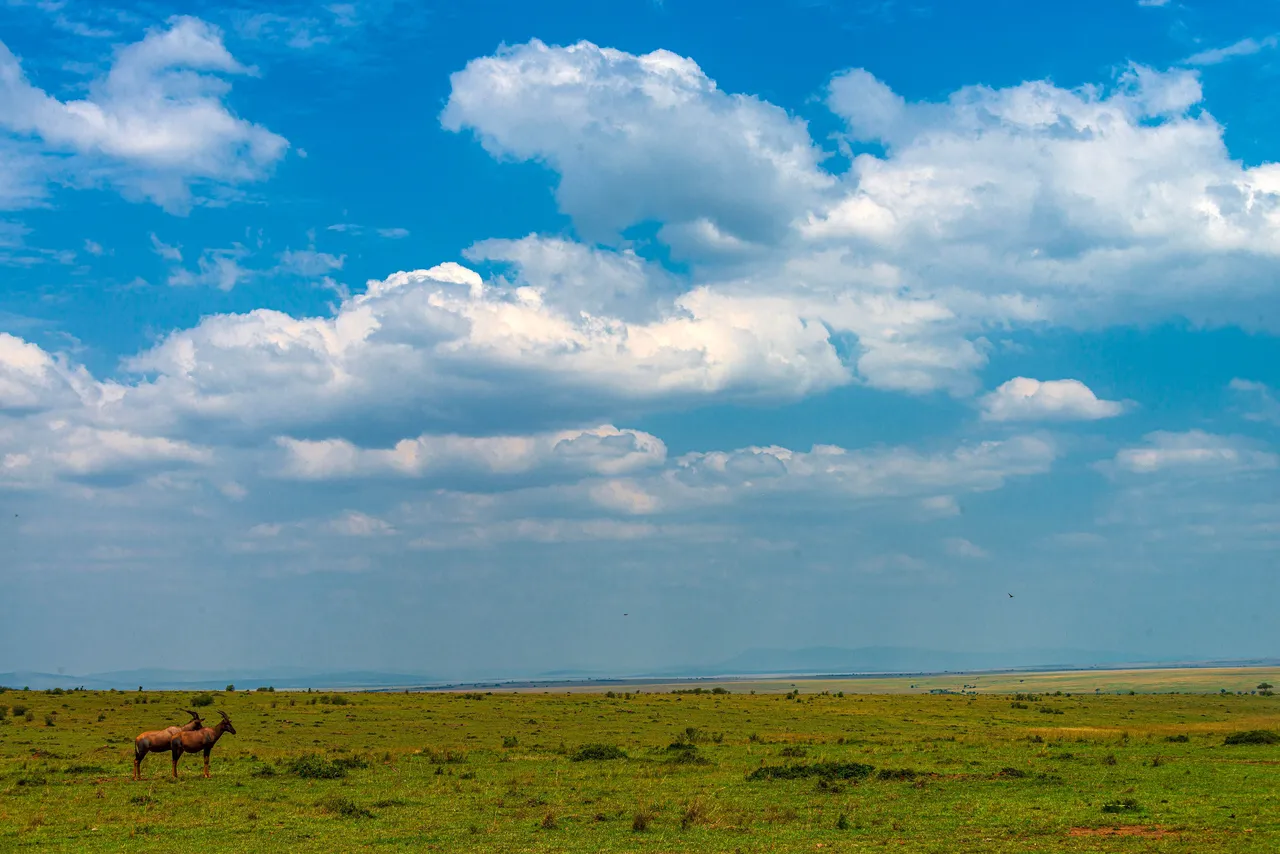
It was created to protect the Athi-Kapiti plains game that once moved freely right up to what is now the central business district. The park is fenced on three sides and deliberately left open on the fourth, so that animals can still move out onto the plains to calve.
That corridor is the whole conservation question here, and it has narrowed severely, a standard-gauge railway was driven through the park in 2016 on elevated track after a long public fight. The park's survival depends on whether the remaining corridor stays open.
The species this place is genuinely known for, not a big five checklist that would fit any park in Kenya.
01Diceros bicornis michaeli
Resident and reliably seen. The park has been one of Kenya’s more successful rhino sanctuaries and has supplied founder animals to others.
02Giraffa tippelskirchi
Common across the park. The Giraffe Centre nearby works with the endangered Rothschild’s subspecies rather than this one.
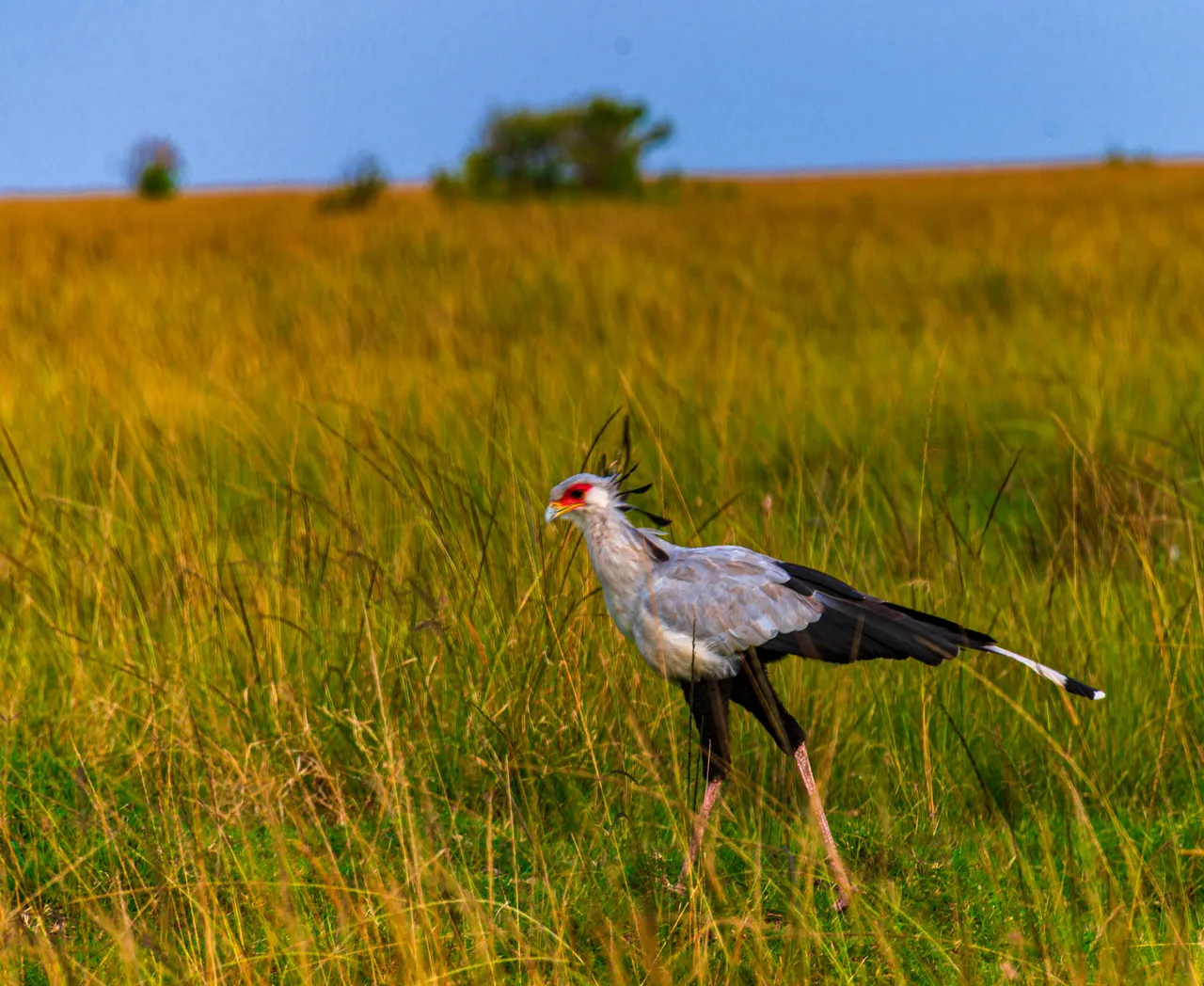
03Sagittarius serpentarius
One of over 400 bird species recorded here. Hunts on foot, striding through grass and stamping on snakes and rodents.
Every price includes park entry fees, transport and your driver-guide.
Kenya's parks are small. Almost everything that decides whether the wildlife survives happens on the land around them, and that land belongs to somebody.
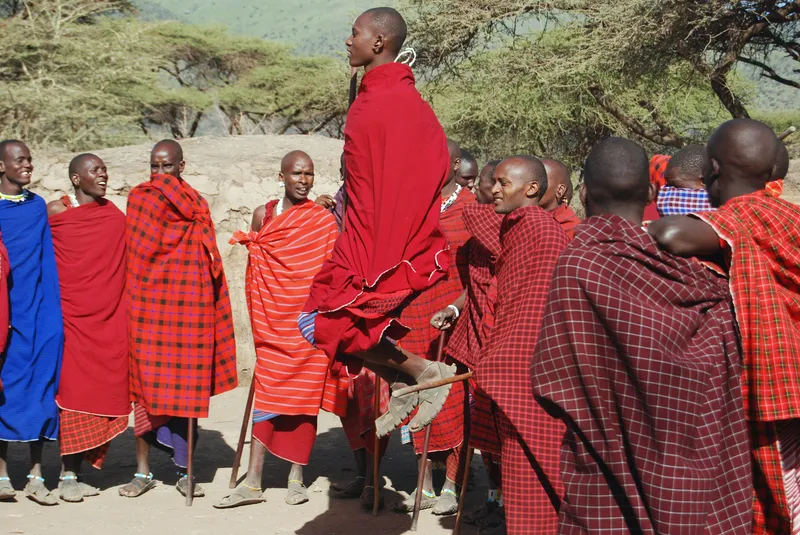
The park's southern boundary runs into Maasai grazing land on the Athi-Kapiti plains, and the Kitengela corridor between them has been steadily subdivided and sold for housing over the last thirty years.
Land-lease schemes have tried to pay Maasai landowners there to keep their land unfenced, with mixed results, the money on offer has rarely competed with what a developer will pay.
Inside the city, the park is a live political argument about whether a capital of five million people can justify keeping 117 square kilometres of lion habitat. The answer so far has been yes, narrowly.
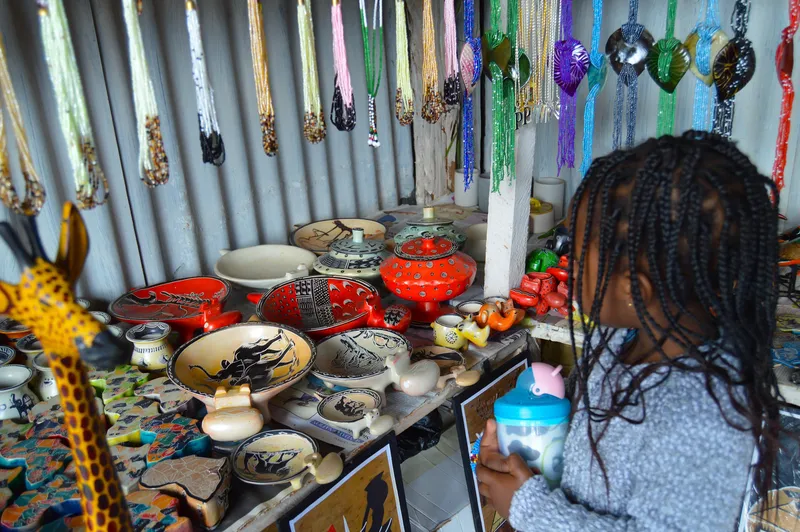
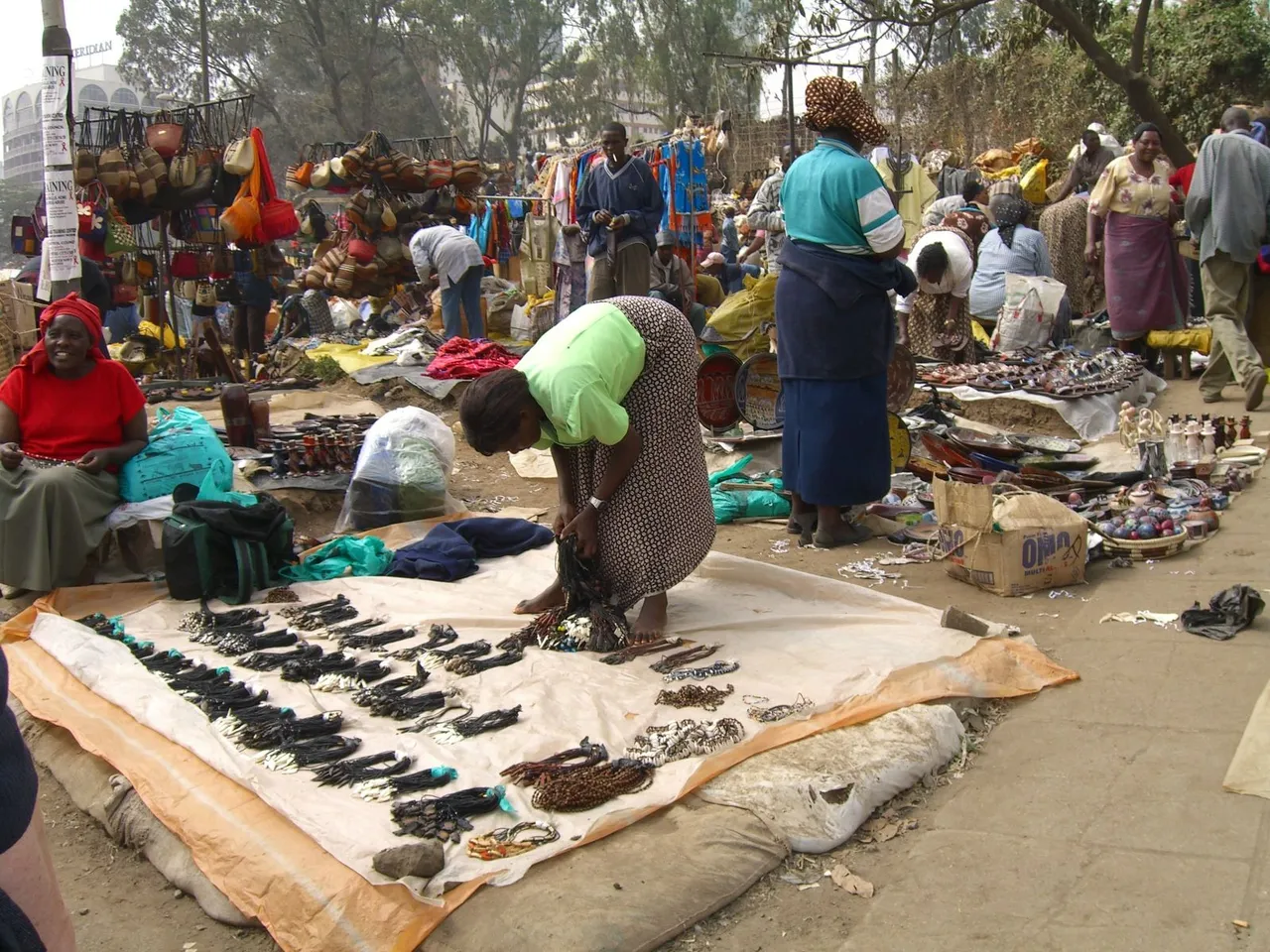
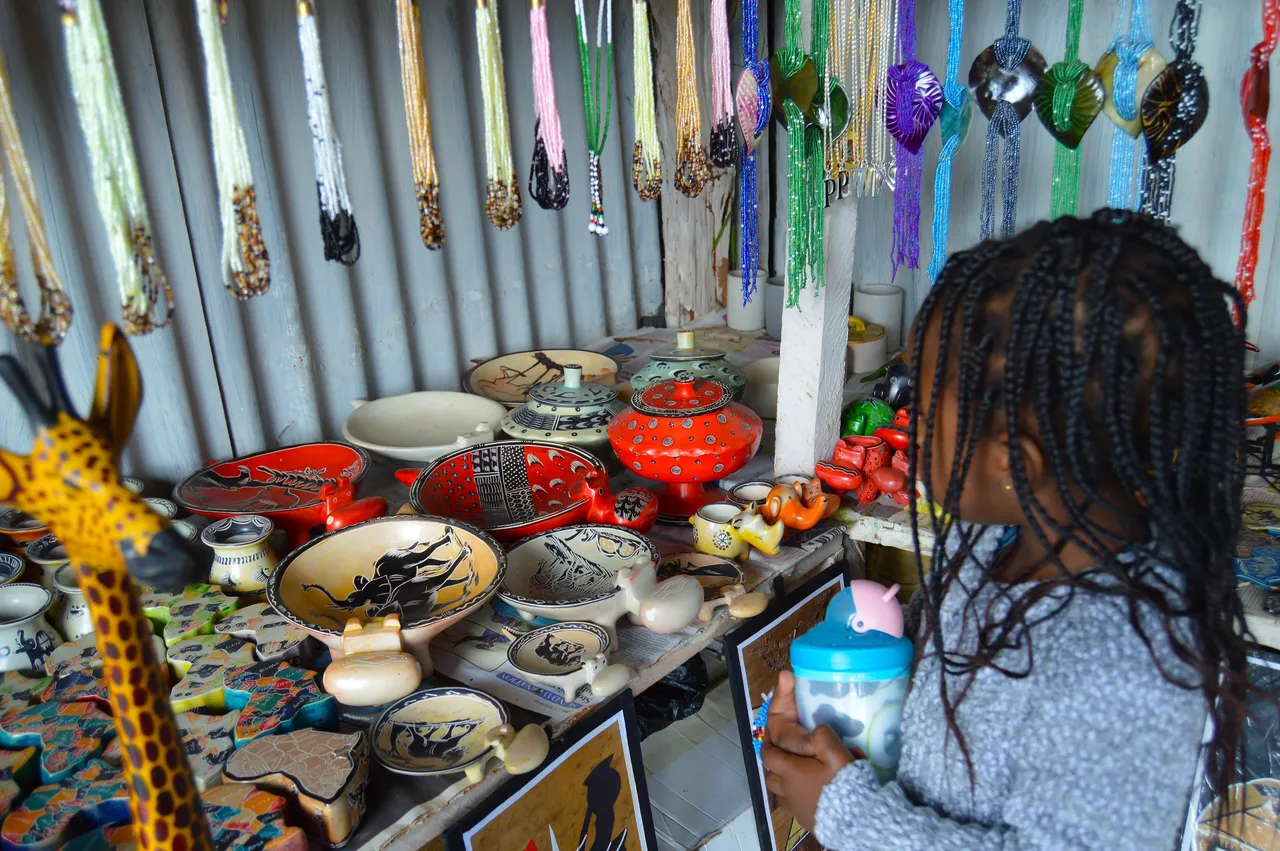
Nairobi is where most visitors actually buy things, and the Maasai Market is the place to do it, an open-air craft market that rotates around the city by day of the week.
Bargaining is expected. Start at around a third of the opening price and settle somewhere near half. It is good-natured, and walking away is a normal part of it rather than an insult.
Kazuri Beads in Karen is the fixed-price alternative: a ceramic bead workshop founded in 1975 that employs several hundred women, most of them single mothers. You can walk the factory floor and watch the work.
Every caption describes the photograph above it.
Black rhino, lion and giraffe with skyscrapers behind them, twenty minutes from the city centre. How to make the most of a Nairobi National Park day trip.
Read the articleEvery safari on this site comes as a printable itinerary with day-by-day detail, what is included, and the price. Send it to whoever you are travelling with. We will add you to a short monthly note on when to travel and what it costs, and nothing else.