Most safari kitchens cook for an international table. You will eat well, three times a day, and you can go home having tasted almost nothing of the country you just crossed. That is not a criticism of the camps, it is what they are asked for, and it is easily fixed: ask.
This is what Kenyan food is, what appears on a safari table without asking, and what to ask for.
The staples

Ugali is the one to understand first. Maize flour cooked with water into a firm white block, cut into wedges, eaten with the right hand. It has almost no flavour of its own, and that is the point: it carries the stew, the greens and the meat juices the way bread carries soup. Pinch a piece, roll it in your fingers, dent it with your thumb, scoop. A Kenyan table without ugali is a table set for somebody else.
Sukuma wiki goes with it. Collard greens, sliced fine, fried with onion and tomato. The name means "push the week", which is what it does for a household budget. It is the greens you will be served most often and the ones most likely to be good.
Nyama choma is roast meat, usually goat, sometimes beef, cooked slowly over charcoal and brought to the table on a wooden board with a small pile of salt and a raw tomato and onion salad called kachumbari. It is the food Kenyans eat on a Saturday afternoon with other people. It is a long lunch, not a quick one.
Chapati arrives from the Indian side of the country's kitchen and has been Kenyan for a century: soft, layered, faintly oily, better than any description of it. Pilau, spiced rice cooked with meat stock, cumin and cardamom, comes from the coast and turns up at every celebration inland.
On safari, in camp
Most camps and lodges run a buffet for lunch and a set menu for dinner, with soup, a main and a pudding. The cooking is competent international food: roast chicken, pasta, a vegetable curry, grilled fish, a salad table. Bread is baked that morning. Fruit is very good, because it is local and it is in season, and a Kenyan mango in February is worth the trip on its own.
What you will not get unless you ask is the kitchen's own food. Ask the camp manager the day before, not at the table on the night, and most kitchens will happily put out ugali, sukuma wiki and a beef or goat stew, often with obvious pleasure. It is what the staff are eating a hundred metres away.
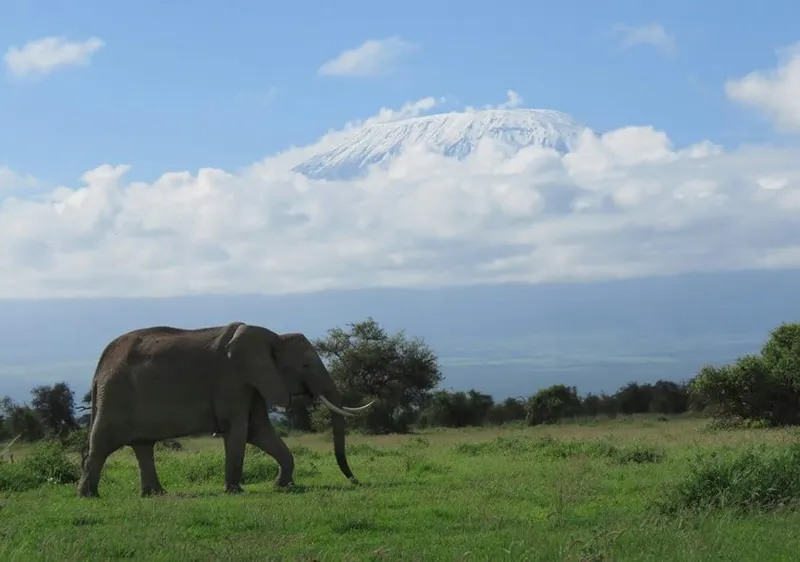
Breakfast on a game drive morning is usually early and light, with a full breakfast when you return at about ten. Bush breakfasts, cooked on a fire out in the park after a dawn drive, are a set piece at the better camps and worth doing once.
The coast is a different country
Swahili cooking on the coast is the most interesting food in Kenya and has very little to do with the food inland. Coconut milk, tamarind, cardamom, cumin, chilli, and fish that was in the water that morning.
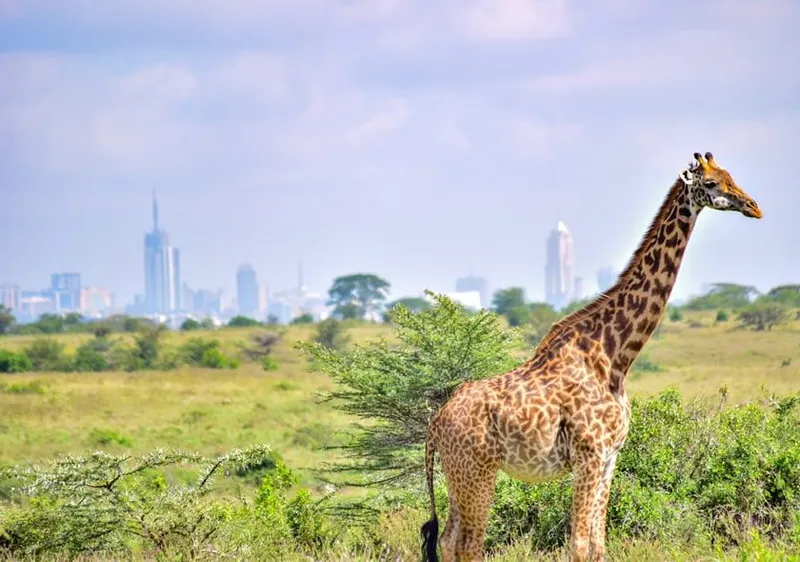
Look for samaki wa kupaka, whole fish grilled and finished in a thick coconut and tamarind sauce, biriani cooked properly with the rice and the meat layered rather than stirred, mahamri, a cardamom doughnut eaten at breakfast with sweet spiced tea, and viazi karai, deep fried potato in turmeric batter sold on the street with a lime and chilli sauce.
In Mombasa and Diani this food is everywhere and cheap. In a beach resort it may not be on the menu at all, which is a good reason to eat out at least once.
Nairobi
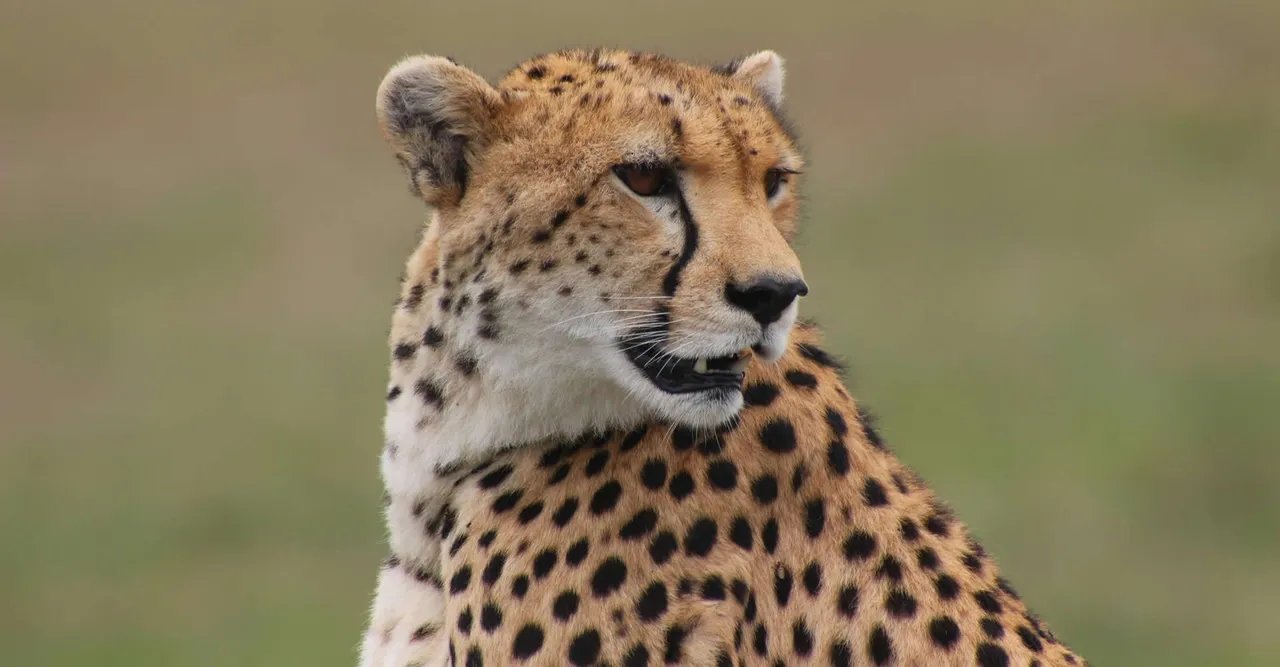
Nairobi eats better than its reputation. The city has genuinely good Ethiopian, Indian and Japanese food, a serious coffee culture built on beans that used to be exported whole, and a nyama choma scene that runs from roadside grills to places where the meat arrives with a bill to match.
If you have a free evening at the start or end of a trip, that is the meal to spend it on. Ask us and we will book it and send a driver; it is not part of any itinerary but it is the easiest thing in the world to arrange.
Drinking
Tap water is not for drinking. Bottled water is provided in every vehicle and every room on our trips and is included in the price.
Chai is black tea boiled with milk and sugar, sweeter than you expect, and offered constantly. Tusker is the national lager and is what you will be handed at sunset. Kenyan coffee is excellent and, oddly, often better at home than it used to be in Kenyan cafés, though that has changed fast in Nairobi.
Dietary needs
Tell us when you book, not when you arrive. Camps buy in supplies days ahead and sometimes fly them in, so a vegetarian, vegan, halal, kosher, gluten free or nut free requirement handled at booking is straightforward and the same requirement mentioned at check-in is a problem for somebody.
Vegetarian food is well understood everywhere. Vegan is understood in the better camps and needs notice in the smaller ones. Allergies should be written down and repeated, and we pass them to every camp on your itinerary rather than assuming the first one told the next.
Eating safely
The ordinary advice holds and is not dramatic. Eat food that is hot and freshly cooked, peel fruit you did not see washed, and be more careful with salads and ice outside hotels and camps than inside them. Street food is one of the pleasures of the coast and of Nairobi, and the busy stall with a queue of locals is the safe one, for the same reason it is busy.
Frequently asked questions
Is the food on a Kenyan safari good?
Yes, and reliably so. Camps and lodges cook well and cater for an international table, with fresh bread, good fruit and a choice at every meal. What it usually is not is Kenyan, unless you ask, and most kitchens are glad to be asked.
Can I eat Kenyan food at the camps?
Almost always, with a day's notice. Ask the camp manager for ugali, sukuma wiki and a stew rather than ordering at the table, and it will appear. Tell us before you travel and we will arrange it at every stop.
What is ugali?
A firm block of cooked maize flour, white, mild and eaten with the hand. It is the staple starch of most of the country and is there to carry stew and greens rather than to taste of much itself.
Is street food safe in Kenya?
On the coast and in Nairobi it is part of the experience and is generally fine if you use the ordinary rules: hot, fresh, cooked in front of you, and from a stall busy with local customers. Be more cautious with anything cold, anything washed in water you cannot vouch for, and ice.
Can you cater for vegetarians, vegans and allergies?
Yes, at every camp we use, provided we know at the time of booking. Supplies are ordered and sometimes flown in days ahead, so notice is what makes it easy. We pass every requirement to every camp on the itinerary rather than relying on one to tell the next.